
There’s a gap that quietly derails a lot of software projects. It’s not a technical gap. It’s a communication one.
The engineer understands the system deeply. The stakeholder understands the business clearly. But somewhere between those two understandings, the actual complexity of what’s being built gets lost in translation — and that’s where friction lives.
When Reality Doesn’t Match Expectations
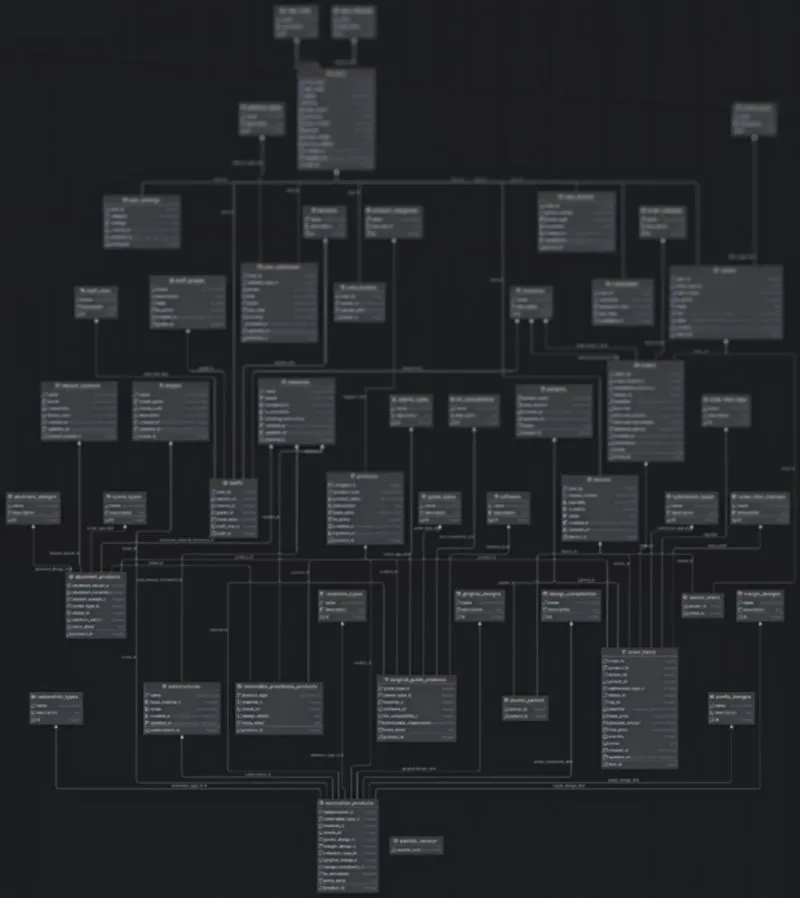
I encountered this firsthand on a project where stakeholders believed there were just a few simple processes running under the hood. When we mapped the actual system, we found more than twenty distinct execution flows.
That’s not an unusual situation. But it is a dangerous one, because misaligned expectations don’t stay invisible for long. They show up as confusion in meetings, misplaced priorities, scope disagreements, and a gradual erosion of trust.
A Simple Fix That Actually Worked
The solution turned out to be surprisingly low-tech: after each meeting, I started writing a short summary — not a technical document, but a plain-language account of what we discussed, what the system actually does, and why certain decisions were made.
The key was the language. Instead of writing “State Management,” I’d write something like:
The orchestrator is a central engine that supervises each step of the process, records where every order stands, and picks up from the exact point of failure if something goes wrong.
Same concept. Completely different level of accessibility.
The Measurable Outcome
This one habit reduced our weekly meetings from three to one — saving roughly 30 hours a month across the team.
But the time saving was almost a side effect. The more important outcome was trust. Stakeholders who understand what’s happening don’t need constant reassurance. They stop second-guessing decisions and start collaborating on them.
What This Says About Technical Work
There’s a tendency in technical teams to treat communication as a soft skill — important in theory, but secondary to the real work of building things. I think that framing is wrong.
Clarity is a form of respect. When you take the time to explain a complex system in terms another person can actually follow, you’re telling them that their understanding matters. That has a compounding effect on the entire relationship between a technical team and the people they serve.
Knowing your craft deeply is necessary. Being able to explain it clearly is what makes that knowledge useful to anyone else.
How does your team bridge the gap between technical and non-technical perspectives? I’d be curious to hear what’s worked.